
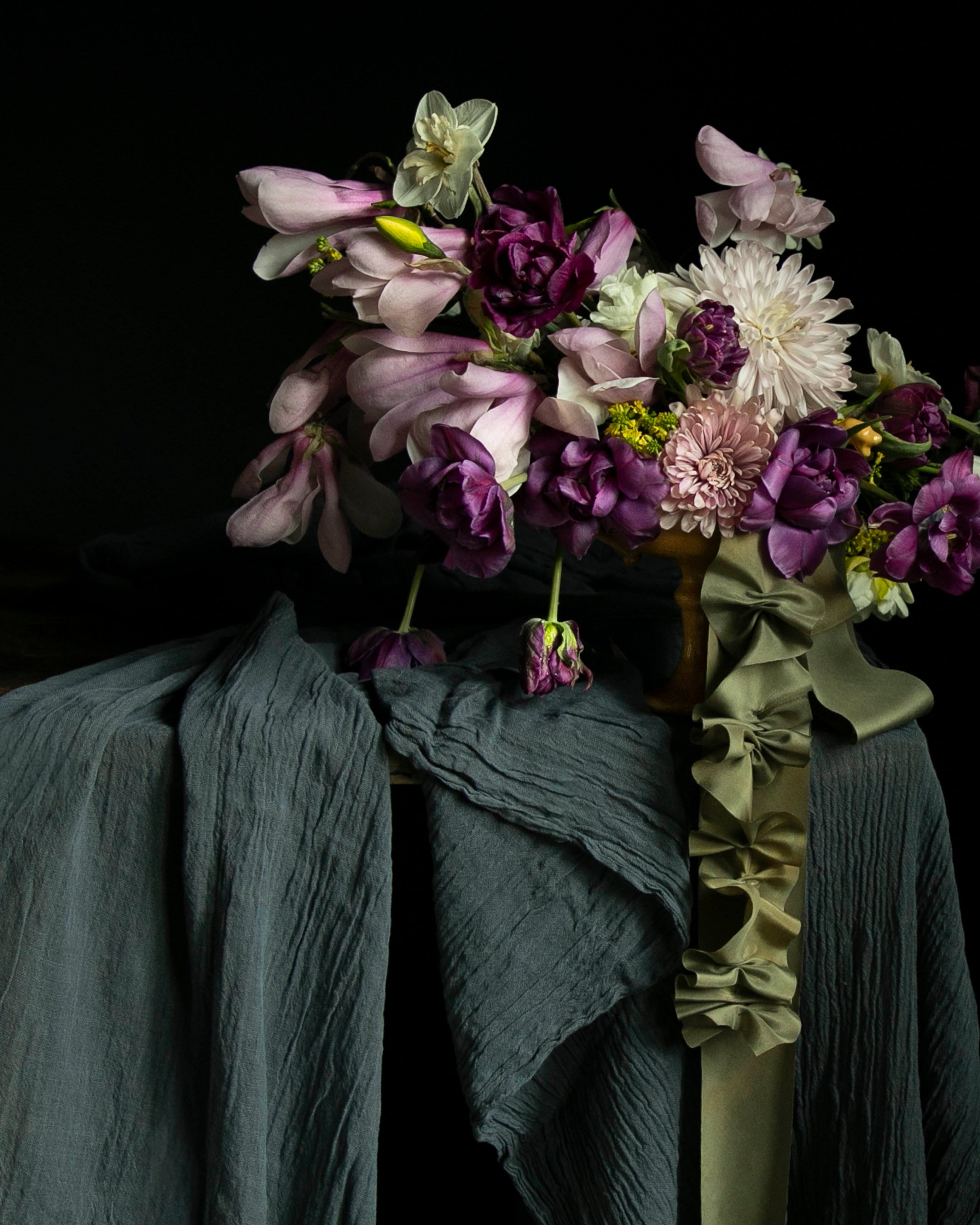


Naturally Dyed Silk Ribbon: A Guide to Avocado Dye
There is a quiet magic hidden within the everyday, a story of color waiting to be told. The process of creating something beautiful with your own hands is a meditation, a way to infuse intention and love into the gifts you give. This story begins with a humble avocado pit, a remnant of a simple meal, and transforms it into ribbons of the softest blush-pink to blushing coral hues, perfect for adorning the most thoughtful presents.
As Easter and Mother's Day approach, we are drawn to gestures that speak from the heart. Creating naturally dyed silk ribbon is more than a craft; it is an act of connection to the earth and a celebration of slow, mindful artistry. Imagine wrapping a gift for someone you cherish in a ribbon that you coaxed into color, a ribbon that holds the warmth of your hands and the subtle beauty of nature. This project allows you to do just that, turning a simple avocado pit into a luxurious, eco-friendly treasure.

The Poetry of Natural Dyes
Natural dyeing is an ancient practice, a collaboration between human hands and the pigments of the earth. It’s a process rooted in patience and wonder, where colors unfold slowly, revealing hues that are complex and alive. Unlike synthetic dyes, the colors drawn from plants, minerals, and even food scraps possess a depth and softness that cannot be replicated.
Using avocado pits to create dye is a particularly rewarding experience. It’s a beautiful example of circular living, finding purpose and beauty in something that would otherwise be discarded. The transformation is amazing: from a hard, brown seed emerges the most delicate and romantic spectrum of blush hues, from a whisper of pink to a rich blush with coral undertones. Each dye bath is unique, a moment to capture color on silk.
BLUSH-PINK NATURALLY DYED SILK RIBBONS
Materials:
- Avocado Pits: You will need a small collection. Aim for at least 10-15 pits for a richer color. Both the pits and the skins contain the pigment, so you can use both, but here I am using just the pits. Be sure to wash them thoroughly to remove any remaining fruit. You can dry them on the countertop in a bowl or store them in the freezer until you are ready to create your dye bath.
- Silk Ribbon: You will need 100% silk ribbon for this project. The protein fibers of silk absorb natural dyes beautifully, resulting in a lustrous color. You can also use other natural fibers like cotton, linen, or wool, though the final color may vary. Get our Undyed Silk Ribbons HERE
- A Non-Reactive Pot: Use a stainless steel or enamel pot. Avoid aluminum and copper, as these metals can react with the dye and alter the color. It is best practice to use dedicated pots for natural dyeing that are not used for cooking, but since we are only using food materials, a kitchen pot will be fine.
- Water: Simple tap water will work perfectly.
- A Strainer: A fine-mesh strainer, heat-resistant rubber gloves, or slotted spoon will be needed to remove the pits from the dye bath.
Method:
Step 1: Prepare Your Fibers
Before you begin, your fabric or silk ribbon must be prepared to receive the dye. This process, called "scouring," removes any oils or residues from the manufacturing process. Our Undyed Silk Ribbons are already prepped and ready for dyeing; you only need to prepare your silk ribbon for dyeing by adding them to a bowl of room-temperature tap water for 15-30 mins to saturate the fabric and open the fibers to accept the dye. Set aside while you prepare your dye bath.

Step 2: Create the Avocado Dye Bath
Place your clean avocado pits into the non-reactive pot. Cover them with enough water so they are fully submerged.
Place the pot on the stove and turn the heat to medium, covering it with a lid, and allow the water to gradually come to a boil. Once the water reaches a boil, reduce the heat to low and let it continue to simmer for at least 30 minutes, though one hour is ideal for richer color. Keep a watchful eye on the water level; if it starts to evaporate, add more water to ensure the pits remain fully submerged.
The longer you simmer, the deeper the color will become. You can leave it on low heat for several hours to extract as much pigment as possible. When you are satisfied with the color of the dye bath, turn off the heat and allow it to cool. For the deepest, most saturated hue, leave the dye bath to rest overnight.

Step 3: Strain the Dye
Once the dye bath has cooled, carefully pour it through a strainer, or use a slotted spoon, or rubber gloves to remove the avocado pits. Your leftover pits can be composted.
Step 4: Dyeing the Silk
Gently place your pre-wetted silk ribbon into the dye bath. Add additional water if needed to ensure the ribbon is fully submerged and can move freely in the liquid to avoid uneven coloring. Return the pot to the stove and heat it very gently, keeping it at a low simmer.
Let the ribbon steep in the warm dye for at least an hour. For deeper, more saturated colors, you can leave it for several hours or even overnight in the cooled dye bath. The final shade is determined by time; the longer the silk remains in the dye, the richer its color will be. Check on it periodically until it reaches a shade that you love.


Step 5: The Final Rinse
When you are happy with the color and the dyebath is cool, carefully remove the ribbon from the dye pot. Rinse it under warm tap water until the water runs clear.
Gently squeeze out the excess water—do not wring the silk, as this can damage the weave. Hang your ribbon to air dry away from direct sunlight, which can fade the natural color. Once dry, you can iron it on a low-medium heat setting to smooth out any wrinkles.

TIP: To create a gentle ombre effect, use a slotted spoon or heat-resistant rubber gloves to remove cut lengths of the ribbon from the dye bath at different intervals. For example, pull out one piece after 1 hour for a light shade, another after 2 hours for a light-medium shade, and leave the remaining ribbon in for up to 5 hours for the deepest hue.

Pictured here is 6 yards of 2.5 inch width silk ribbon and 6 yards of 1.5 inch width silk ribbon.

A Gift Wrapped in Meaning
Your handmade ribbon is now ready. It is more than just a wrapping accessory; it is a piece of art, infused with care and the gentle spirit of the earth. Use it to tie around a bouquet of spring flowers for Mother’s Day, to adorn a special box of chocolates for Valentine's Day, or to add a touch of handmade beauty to an Easter basket.